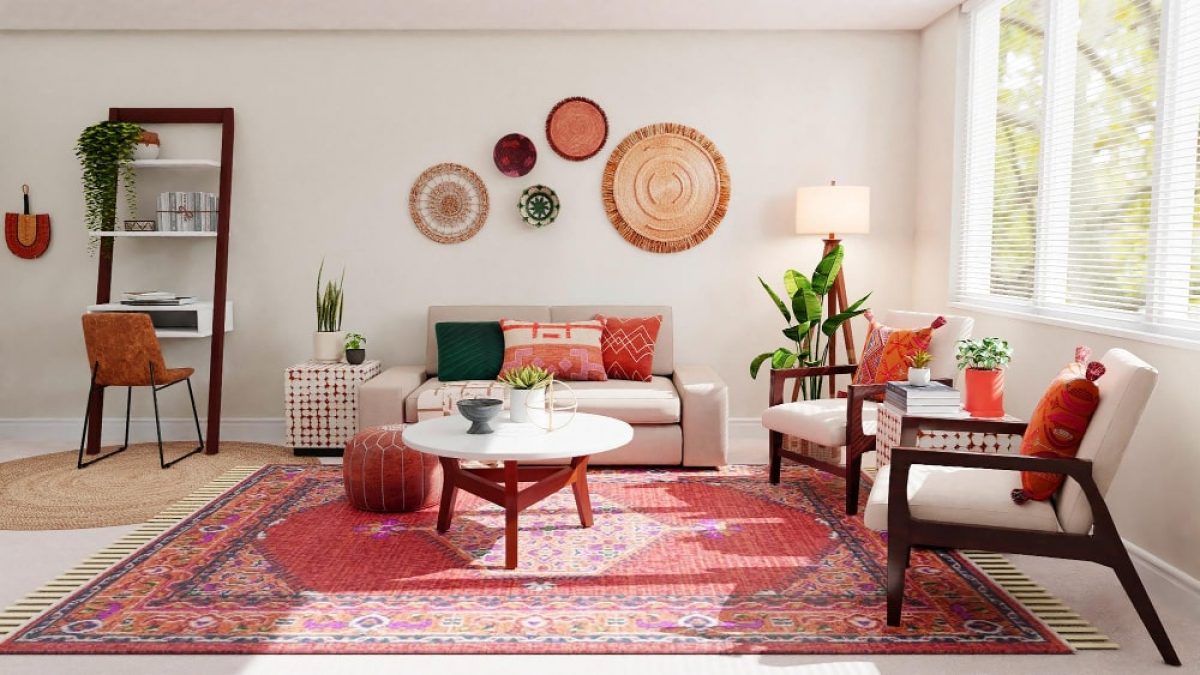
In the modern world, home decoration interior design has become more than just an aesthetic choice; it represents a lifestyle, a statement of personality, and a way to create functional, comfortable living environments. The process of designing and decorating a home is a delicate balance between art and science, combining creativity, functionality, and personal expression to craft spaces that are both visually appealing and practically livable. Understanding the principles, trends, and considerations in home decoration interior design allows homeowners and designers to create spaces that truly enhance quality of life.
At its core, home decoration interior design is about transforming a space to reflect the personality and needs of its inhabitants. It involves careful planning of furniture, color schemes, lighting, textures, and accessories to create harmony within the environment 家居裝修. Each decision, from the choice of flooring to the type of curtains, impacts the overall ambiance, functionality, and comfort of a home. Successful interior design goes beyond appearances, creating spaces that support daily routines while providing a sense of relaxation and inspiration.
One of the key aspects of home decoration interior design is understanding spatial planning. Proper space management ensures that rooms are organized in a way that maximizes usability while maintaining visual appeal. Designers consider traffic flow, furniture placement, and storage solutions to make the most of available space. Whether dealing with compact apartments or large villas, efficient spatial planning ensures that each area serves a purpose, avoids clutter, and promotes a comfortable living experience.
Color selection is another fundamental component of interior design. Colors influence mood, perception of space, and the overall feeling of a room. Warm tones like beige, peach, or terracotta create a cozy atmosphere, while cool tones such as blues and greens evoke calmness and tranquility. Bold colors can be used to make a statement or define accent areas, while neutral palettes provide a versatile foundation that complements various styles. Home decoration interior design incorporates color psychology to craft environments that reflect personal taste while enhancing the atmosphere of each room.
Lighting plays a crucial role in shaping the experience of a home. Natural light enhances openness and mood, making spaces feel larger and more inviting. Artificial lighting, including ambient, task, and accent lighting, adds layers and functionality to interiors. Designers carefully plan lighting to highlight architectural features, artworks, or furniture, while ensuring that functional areas like kitchens and study zones are adequately illuminated. Proper lighting design contributes to comfort, aesthetics, and energy efficiency, making it a cornerstone of home decoration interior design.
Furniture selection is a critical factor that bridges style and functionality. Choosing pieces that fit the scale of a room, complement the design theme, and meet practical needs ensures harmony and comfort. Multi-functional furniture, such as storage beds or expandable tables, is particularly valuable in modern homes with limited space. Home decoration interior design considers ergonomics, materials, and textures to create living areas that are inviting, practical, and visually cohesive.
Textures and materials significantly influence the feel of a home. Combining various surfaces like wood, metal, glass, and fabric adds depth and tactile richness. For example, a plush rug paired with sleek metal furniture balances softness with structure, while wooden accents add warmth and natural appeal. Textures also impact acoustics, insulation, and durability, making material choice both an aesthetic and functional consideration in home decoration interior design.
Personalization is central to successful home decoration. Artworks, family photos, collectibles, and decorative accessories infuse a space with character and meaning. These elements make interiors unique, reflecting the values, experiences, and tastes of the occupants. Interior designers collaborate with homeowners to incorporate personal touches without compromising overall design coherence, creating homes that feel authentic and lived-in.
Sustainability has emerged as a key trend in home decoration interior design. Environmentally friendly materials, energy-efficient lighting, and eco-conscious furniture choices help reduce the environmental footprint of a home. Designers increasingly prioritize sustainable practices, selecting non-toxic paints, reclaimed wood, and low-energy appliances. Incorporating sustainability into home design not only benefits the planet but also promotes healthier living environments for residents.
Storage solutions are essential for maintaining organization and reducing clutter. Creative and hidden storage, such as built-in cabinets, under-bed drawers, and multifunctional furniture, allows for a clean and organized appearance while maximizing usable space. Home decoration interior design emphasizes practical storage integrated seamlessly into the aesthetic, balancing function with visual appeal.
Technology integration is reshaping modern home decoration. Smart home devices, automated lighting, climate control, and security systems enhance convenience, comfort, and energy efficiency. Designers now incorporate these technological features into their plans, ensuring that homes are both stylish and adaptive to contemporary lifestyles. Smart technology can also harmonize with décor through hidden installations and minimalistic designs, preserving the elegance of interior spaces.
Flooring choices are foundational in home decoration interior design. Materials like hardwood, laminate, tile, and carpet not only provide durability but also influence the visual and tactile experience of a room. Designers consider color, texture, maintenance, and acoustics when selecting flooring, ensuring that it complements furniture, walls, and overall style. Proper flooring choice contributes to continuity, comfort, and aesthetic balance in the home.
Functional zoning is important in open-plan layouts. Interior design strategies use furniture placement, lighting, and decorative elements to define distinct areas within a shared space. For example, rugs can separate living and dining areas, while lighting differentiates work zones from relaxation spaces. Effective zoning allows for fluid movement while maintaining organization, comfort, and aesthetic harmony, reflecting the principles of home decoration interior design.
Trends in home decoration interior design evolve constantly, influenced by cultural shifts, lifestyle changes, and technological advancements. Minimalism, Scandinavian design, industrial aesthetics, and biophilic interiors are among popular styles that focus on simplicity, natural elements, and functionality. Designers balance contemporary trends with timeless design principles to create interiors that are current, adaptable, and enduring.
The role of professional designers in home decoration cannot be overstated. While DIY efforts are common, professionals bring expertise in spatial planning, material selection, color coordination, and project management. Their knowledge ensures cohesive design execution, adherence to safety standards, and optimal use of resources. Collaboration with professionals elevates home decoration from simple furnishing to a thoughtfully curated, functional, and aesthetically compelling environment.
Budget management is an integral aspect of home decoration interior design. Effective planning allows homeowners to allocate resources efficiently across furniture, materials, lighting, and accessories. Designers provide options to achieve high-impact results within budget constraints, prioritizing investments in durable, versatile, and visually significant elements. Strategic budgeting ensures that quality and style are maintained without overspending.
Maintenance considerations are also crucial in home decoration. Selecting materials and finishes that are easy to clean, durable, and resistant to wear ensures that interiors remain attractive and functional over time. Home decoration interior design integrates long-term maintenance planning into material and furniture choices, reducing the need for frequent replacements and preserving the beauty of the space.